
By Arthur Upshur
We are lucky on the Shore to have diversity of habitats and an abundance of wildlife. That diversity is a part of why so many birds visit the Eastern Shore on their annual migrations north and south. Our saltwater marshes, forests, and farm fields are all important habitats serving different needs depending on the time of year. But we all also contribute to wildlife habitat by how we manage where we live.
Let’s take wasps and hornets for example. Many of these species hibernate over winter in ground litter – piles of branches, sticks, and spent vegetation – to protect them in the cold and from birds and other predators. In the spring, when they wake up, they need flowers in bloom for sweet carb-filled nectar and protein packed pollen. Then as it gets warmer, they build nests in thickets or on branches to lay eggs and raise their young safely. Just like most birds, wasps and hornets feed their young caterpillars which are full of protein for growth. The tall greenery favored by butterflies and caterpillars needs to be close enough that the adults can bring caterpillars back to their nest to feed their young. By fall they get ready to start the cycle all over again, looking for messy ground to bury in for the winter and await their spring revival.
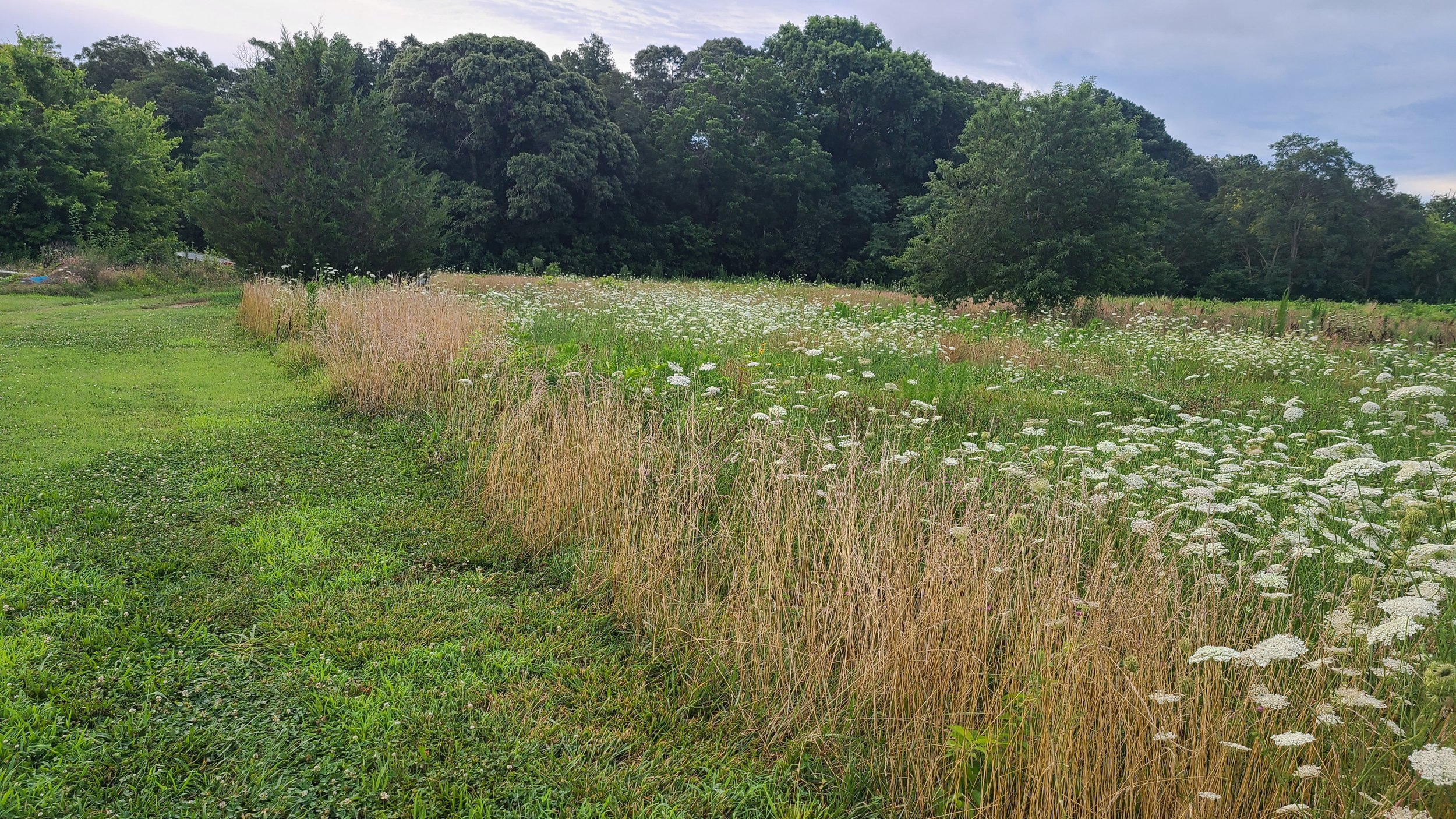
So, what can you do to help create better wildlife habitat? The first rule to follow is perhaps the easiest. Get comfortable with a messier yard. Almost all wildlife prefers messy places. As you can see from the wasp example above, many animal life cycles depend on vegetation providing them with shelter, food, and protection. Letting a portion of your land stay in a transition is a great practice for wildlife: piles of decomposing leaves, litter, twigs, and brush on the ground, lots of tall weeds, and trees with naturally undisturbed ground beneath them. The richest habitats for wildlife are often places that are transitioning from one type to another: early growth forest with its abundance of vines, shrubs, and small trees or a formerly mowed area that is growing up in tall weeds and flowers. These can be maintained with minimal effort. A meadow only needs to be mowed once a year in the late winter for example.
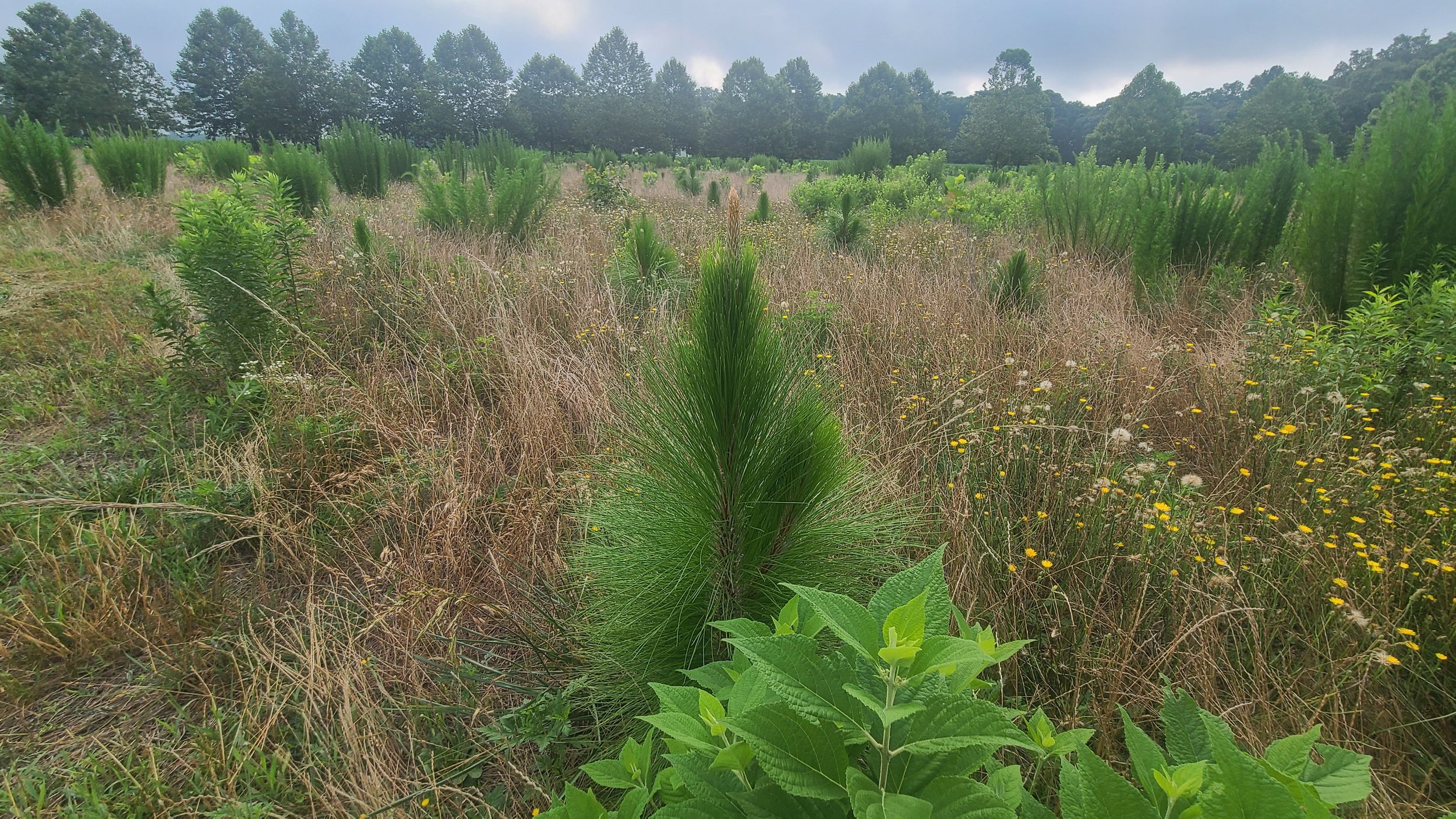
A second rule of good habitat is to use your plantings to provide good habitat for the species you observe and want to see more of on your land. Some types of trees, like oaks or hickories, have been around so long that much of our wildlife is adapted to using them for food and shelter. Turkeys, deer, squirrels and others all love these nut trees. Wasps love them too because they are usually full of caterpillars. On my farm, I have planted a special pine called Longleaf pine because the plants that grow under it are loved by quail, one of my favorite birds. I am hoping to create a friendlier place for quail to live. Sometimes it can be a plant you love too. My pear trees are awfully popular with raccoons; and we like to eat pears too.
My third rule is a little harder. Look for and provide connections with other habitats that allow animals to move from one to another. A hedgerow or thickly vegetated ditch is a great pathway for animals between two woods. A small freshwater pond is a real magnet for all kinds of animal species if it has wild cover close by. Not only do the land animals love to be able to drink there, but all kinds of frogs and salamanders need places to live too. Again, keeping it messy with tree limbs in the water, and unmanaged vegetation on the sides is the best way to support amphibians that need cover from all their predators we have on the Eastern Shore.
We can all do our part in creating, restoring, and maintaining habitat on our lands. Whether it is ¼ acre or 400 acres, we can all work to improve wildlife habitat in some way. And it all adds up to more wildlife for all of us to enjoy.